Table Of Content
Gitau tells Sleepopolis that the damp environment created on pillows and bedding from wet hair leads to the growth of bacteria that can be transferred onto the skin while we sleep, which might lead to acne breakouts. There is no direct evidence that sleeping with wet hair will cause a person to develop acne. Nonetheless, some people caution against sleeping on a damp pillow, believing it to be an ideal environment for certain types of bacteria to thrive, potentially increasing the risk of skin problems like acne.
Use a Towel
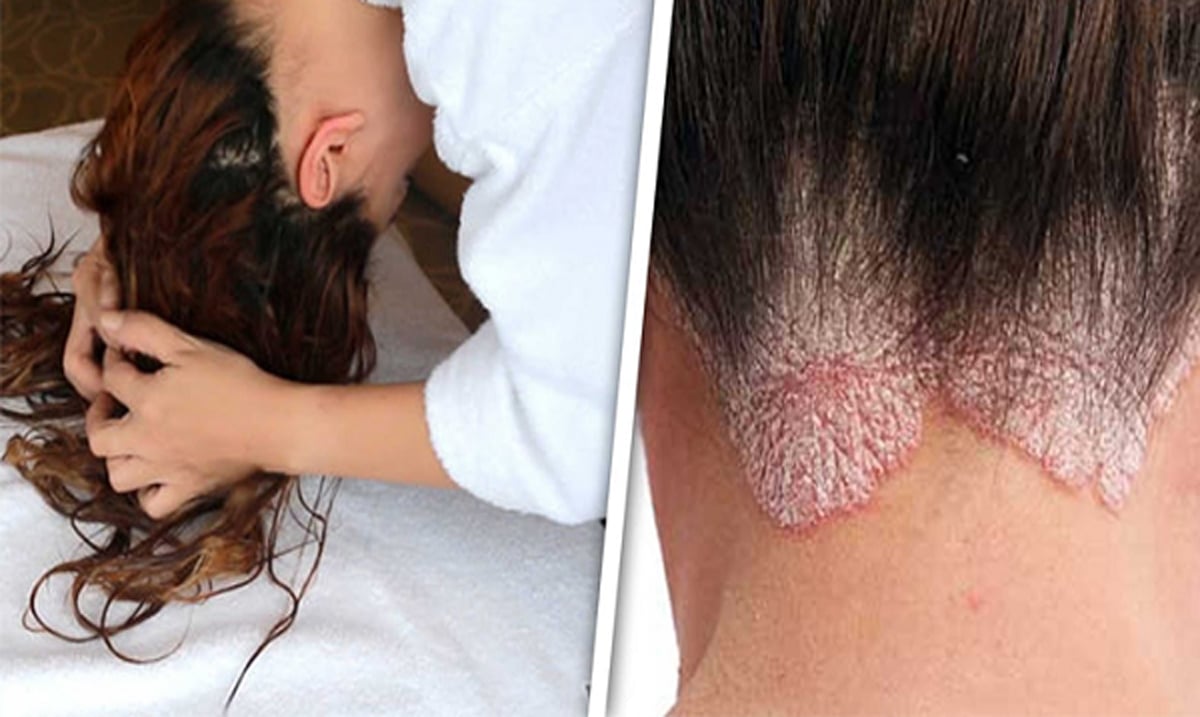
It’s definitely worth considering, though—especially since there are whispers online that sleeping with wet hair can cause breakage. A damp scalp for long periods of time can create a perfect environment for the growth of fungus or bacteria, which can lead to scalp problems such as dandruff or seborrheic dermatitis. The friction caused by your hair rubbing against the pillow can cause it to break or develop split ends more easily. Silk pillowcases and hair wraps are marketed as being really good for your skin and hair. The thinking here is that these fabrics are much smoother than the usual cotton pillowcases, which means your hair movement while you sleep isn’t as aggressive. “Because the hair moves more naturally and its interaction with the material is different, it can be helpful,” Dr. Stevenson says.
Mattress in a Box: The Best Mattress in a Box Buying Guide
"Use a pretreatment or oil on the scalp before shampooing and massage the product using a scalp massager to stimulate blood circulation, promoting hair growth and healthy hair," she says. However, going to bed with wet hair can also put a dampener on your immune system. For those with fine hair, a heavy leave-in conditioner could make their hair feel greasy and heavy. On the other hand, if you have curly hair, you might find that it doesn’t provide enough moisture for your scalp. Tossing and turning can create unnecessary friction between your hair and the pillowcase.
Don't Miss This Rare Sale On My Favorite Product For Supple Skin & Healthier Hair
Common colds can occur around two to three times per year in most adults. Colds are caused by viruses that infect the respiratory system, including the nose and sinuses. These viruses spread within air droplets released by coughing and sneezing, as well as on contaminated surfaces, which do tend to spread more frequently during the winter months. The virus enters your body through your nose, mouth, or eyes and is spread through droplets in the air when an infected person sneezes, coughs, or speaks. You can also catch it by touching a contaminated surface or hand-to-hand contact with an infected person. The common cold doesn’t really have anything to do with being cold, but rather being infected with one of over 200 cold-causing viruses, usually a rhinovirus.
You may even need to change your sheets if your hair was wet enough to dampen them during the night. Also, a waterproof mattress protector can help extend the life of your mattress and keep it as clean as possible if you’re going to be sleeping with wet hair regularly. Here's what the experts say about this nighttime habit that can cause problems for your hair, skin and health. To keep hair healthy and reduce the risk of damage, people can use either conditioner or a two-in-one conditioner (also known as 2-in-1 shampoo) every time they wash their hair.
It can stretch roughly 30 percent of its original length, but when it goes beyond that, you risk irreparable damage (4). Rolling around while you sleep could mean you’re inadvertently stretching your wet hair farther than it can safely go, not to mention increasing the likelihood of major tangles. There are many types of fungi on our bodies and in the environment that do not pose problems to our health. However, in the right conditions, some can cause infections and diseases that affect the scalp and other areas of the body. Scientifically speaking, when hair gets wet, the proteins that make up each strand (keratin) form weaker hydrogen bonds, rendering it more susceptible to damage from being pulled, stretched, bent, or otherwise roughly handled. Also, wet hair doesn't snap back into place as dry hair does; any stretching bends the cuticle (the flexible shield holding all of these keratin proteins) out of place, which causes your hair to look and feel damaged.

Research from 2015 shows that coconut oil can reduce protein loss in undamaged and damaged hair. The number of times people wash their hair in a week is down to preference. Showering or bathing 1–2 hours before bed can also give hair a chance to dry naturally. However, a 2016 study found that decreases in temperature and humidity over consecutive days may increase people’s risk of rhinovirus infections — a cause of colds. While wet hair may not directly make someone sick, water absorption causes the hair shaft swelling.
Ways to Strengthen Your Hair, According to Experts
Resist the urge to brush your hair, as it causes more friction and frizz,” recommends Sabanayagam. Despite the belief that sleeping with wet hair can cause health problems, there is little scientific evidence to support this idea. Sleeping with wet hair is unlikely to cause significant health problems for most people, but there are other reasons to reconsider going to bed with wet hair. If your hair is damp, then you can wrap your strands in a silk or satin hair scarf or bonnet before going to bed.
Use a Mattress Protector
Always use a heat protectant spray before blow-drying to shield your hair from excessive heat. Mattress protectors are an important safeguard to keep your bed clean, fresh, and hygienic if you sleep with wet hair. They are an easy solution to protect your investment and avoid permanent mattress rust stains or other damage. “Generally, it’s thought not to be good for hair to sleep with it wet,” says Dr. George Cotsarelis, a professor of dermatology at the University of Pennsylvania’s Perelman School of Medicine. Over time—anywhere from a few days to weeks or months—water can degrade a hair follicle’s protective outer layer, which is called the cuticle, he explains. Once that cuticle breaks down, water can penetrate it and rupture the follicle’s inner cortex.
Implementing hair care practices like gently drying with microfiber towels and applying heat protectants before using hot tools can also make a world of difference. By implementing these changes, you'll notice progressively stronger, healthier hair over time. Some may choose to shower at the end of the day as part of their relaxing bedtime routine and feel more comfortable getting directly into bed with wet hair. Some hairstylists may suggest sleeping with conditioned damp hair to enhance certain hairstyles. Sleeping with wet hair doesn’t give you a common cold, but it can lead to a fungal infection. So, it’s essential to dry your hair properly before bedtime to avoid any fungal issues.
This pillowcase makes sleeping with wet hair possible - TODAY
This pillowcase makes sleeping with wet hair possible.
Posted: Tue, 29 Jan 2019 08:00:00 GMT [source]
Acne can happen when pores become blocked by the body’s natural oils and dead skin cells. Department of Health and Human Services, is the nation’s medical research agency — making important discoveries that improve health and save lives.View Source . Taking a hot bath or shower at night may be the best way to unwind after a stressful day.


No comments:
Post a Comment